

The bedroom, as a vital space for rest and relaxation, directly impacts our quality of life through its decoration. Since we spend a third of our lives in the bedroom, its design and layout cannot be overlooked. So how do we create a warm and comfortable bedroom? How should a bedroom be decorated? Every home's bedroom design is different, but regardless of the style, the primary goal is to meet our sleep needs and create a better sleep environment.
Understanding Needs
Bedroom design should first consider each family's requirements for comfort and privacy. It can be designed according to the age, personality, and interests of the occupants.
Bedroom Layout
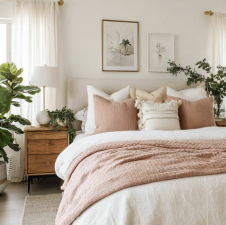
Bedroom items such as bedside tables, lamps, and wall art are best placed in pairs. This adds harmony to the bedroom, while cluttered items can easily cause frustration and affect sleep quality. It's recommended to have a favorite box at home to store small items. Pay attention to size and function. The size of the bed should be determined based on the bedroom's area and individual needs. If the bedroom space is small, a tatami bed or a bed with storage can be chosen to increase storage space. When choosing a wardrobe, consider the quantity and type of clothing, and try to choose a style with a reasonable internal structure and clear partitions.
Zoning
Define the bedroom space, dividing it into a rest area, activity area, and clothing storage area based on needs. Design and decorate accordingly for each zone.
Bedroom Decorating Materials
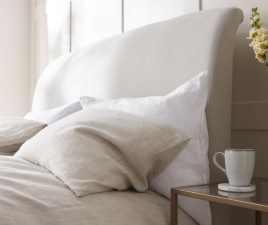
For bedroom flooring, wood flooring and carpets create a warm and comfortable feel. Wallpaper and wood paneling are more aesthetically pleasing and elegant for the walls; colors and patterns can be chosen based on the occupant's age and preferences. Environmentally friendly wallpaper or latex paint can be used for the walls, while wood flooring or soft carpets can increase comfort and warmth.
Color Selection
To ensure restful sleep, a unified, harmonious, and calming color scheme is generally recommended for the bedroom. It's best to use the same color for bed sheets, curtains, and pillowcases.
Bedroom Soundproofing
To avoid undisturbed sleep, proper soundproofing is essential. If the ceiling isn't soundproofed, even slight noises from upstairs can easily travel down, disturbing sleep. Therefore, when decorating, you can choose a certain thickness of ceiling plasterboard, and add some sound-absorbing and sound-insulating materials to the middle layer of the ceiling, such as high-density foam board, sound-absorbing cotton, and fabric sound-absorbing panels.
Bedroom Space Utilization
To make a small bedroom feel more spacious, it's essential to make full use of the space. Some bedrooms have bay windows, which can be modified into storage cabinets. These can be used for relaxation and entertainment, with storage underneath – both aesthetically pleasing and practical.
Bedroom wardrobes can use sliding doors to reduce floor space and can also incorporate hanging storage and drawers to suit individual usage habits. The sides of the wardrobe can be designed as open display cabinets to showcase decorative items.
Bedroom Lighting
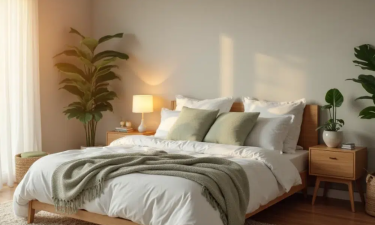
Bedroom lighting is generally divided into basic lighting and ambient lighting. Basic lighting typically uses LED strips or main lights, while ambient lighting usually includes wall lamps, downlights, floor lamps, and table lamps. To avoid direct light shining into the eyes, choose low-glare, semi-transparent, milky-white lighting fixtures to create a darker environment that helps people fall asleep quickly.
Bedroom Furniture Arrangement
Bedroom furniture arrangement should be centered on personal needs, prioritizing practicality while incorporating appropriate decoration. Furniture should ideally be placed along the walls, concentrating activity space in the center of the bedroom; this layout makes the space appear larger.
Bedroom Curtains
Some people are sensitive to light or have poor sleep quality, finding it difficult to fall asleep with even slight light or easily awakened by morning sunlight. Therefore, double-layered curtains combining sheer and blackout curtains are ideal for the bedroom. During the day, sheer curtains can be drawn, as they typically allow light in but not through, enhancing privacy and reducing light interference during sleep. At night, blackout curtains can be drawn to block out outside light, ensuring a quiet night.